8 Pattern Repeat Types Every Textile Designer Should Know

The way you arrange a single pattern tile can completely change how the final design looks.Some repeats feel structured and geometric, while others feel loose, organic, and almost random.
If you're designing patterns for textiles, wallpaper, or other surfaces, knowing the different repeat types can help you choose the right structure for your design.
Full Drop/Block Repeat
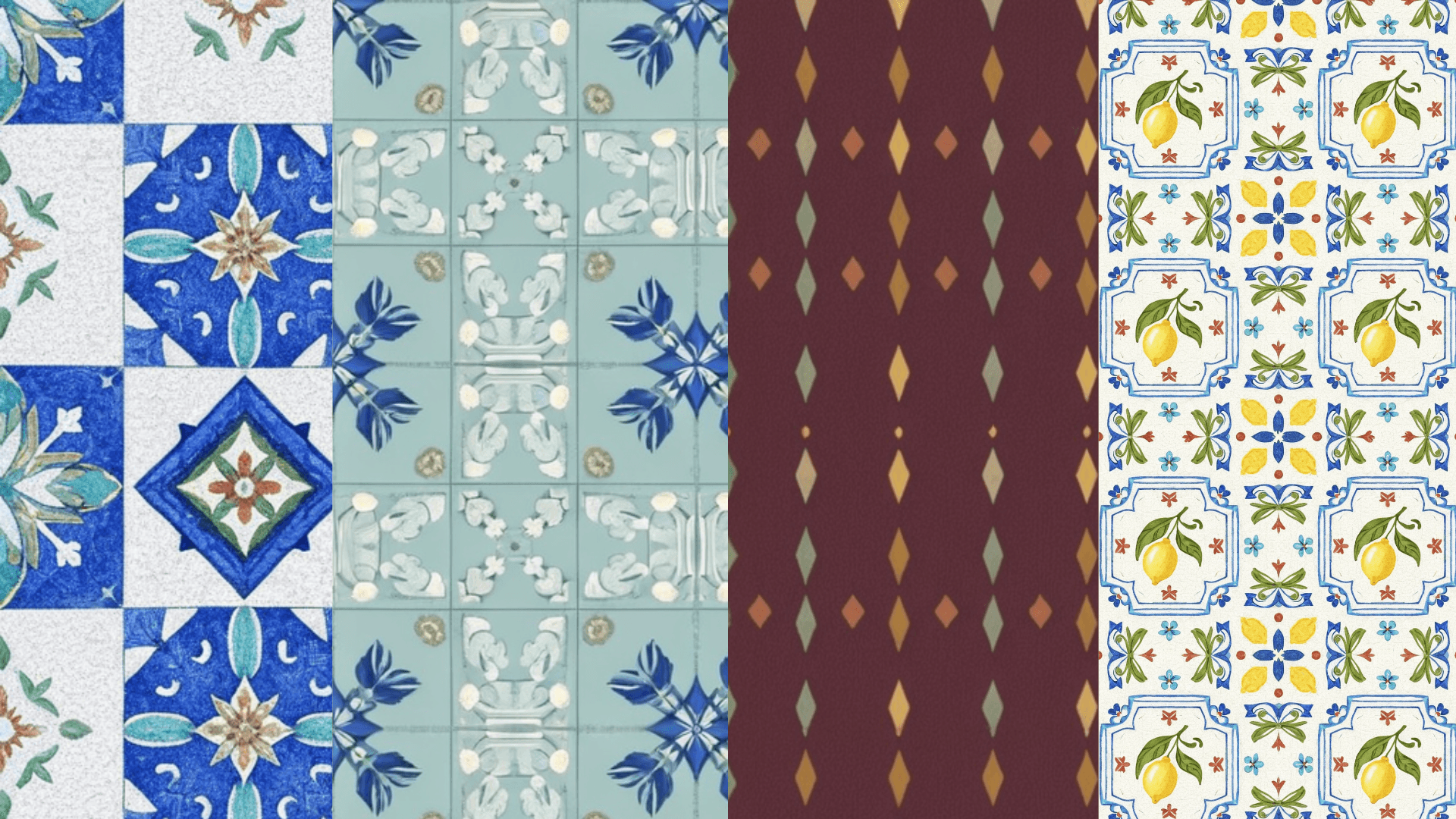
Let's start with one of the simplest.
The full drop, or block repeat, places each motif directly beside and above the next one. There's no offset between the tiles, creating a regular and structured layout.
It's a great choice when you want the arrangement to feel orderly, symmetrical, or geometric.
Half-Brick Repeat
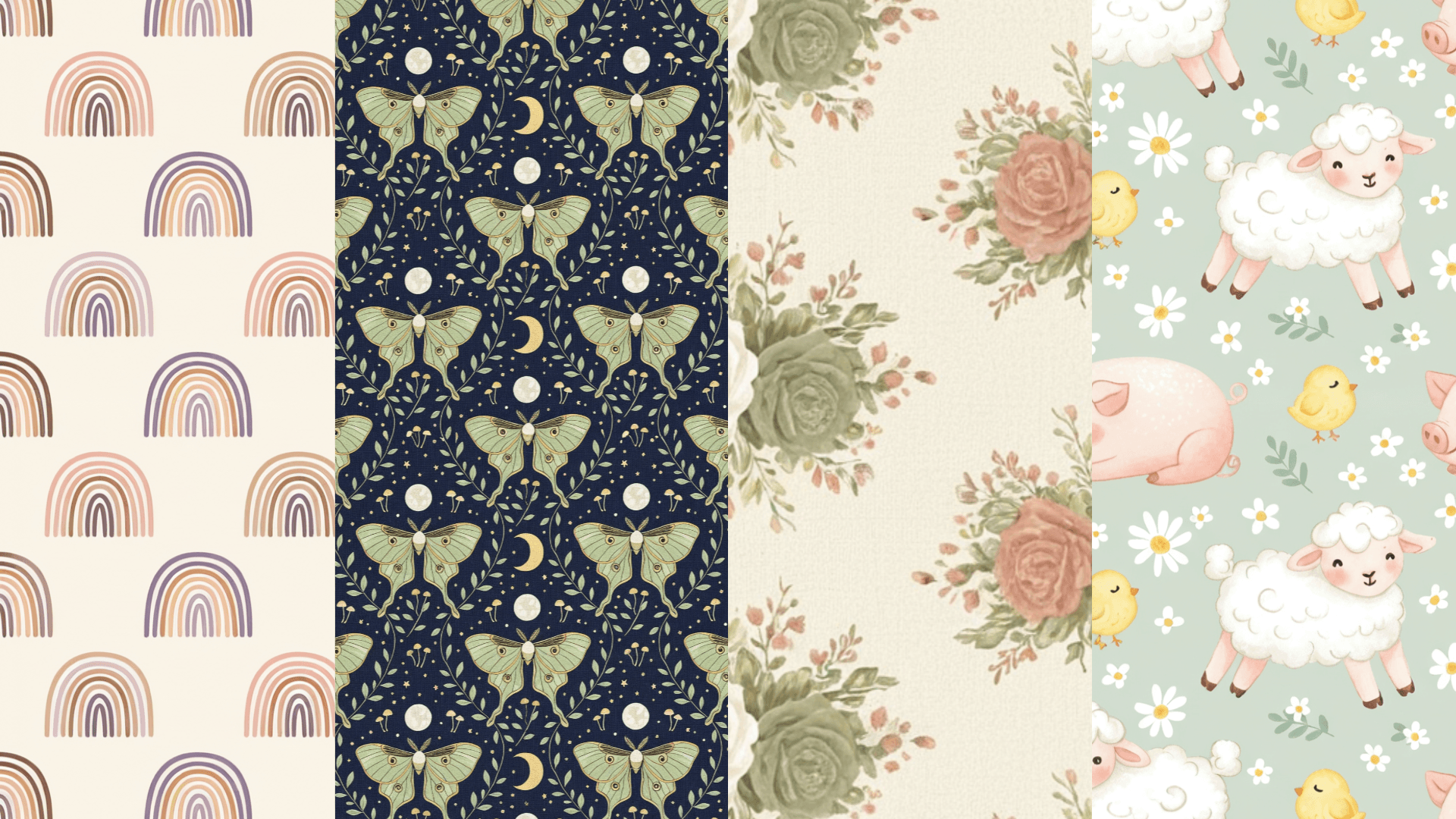
Next is the half-brick repeat.
Each row is shifted horizontally by half the width of the tile. Just like bricks in a wall, the motifs don't line up directly with the row above them.
This creates a more dynamic layout while keeping the overall structure fairly regular.
Half-Drop Repeat
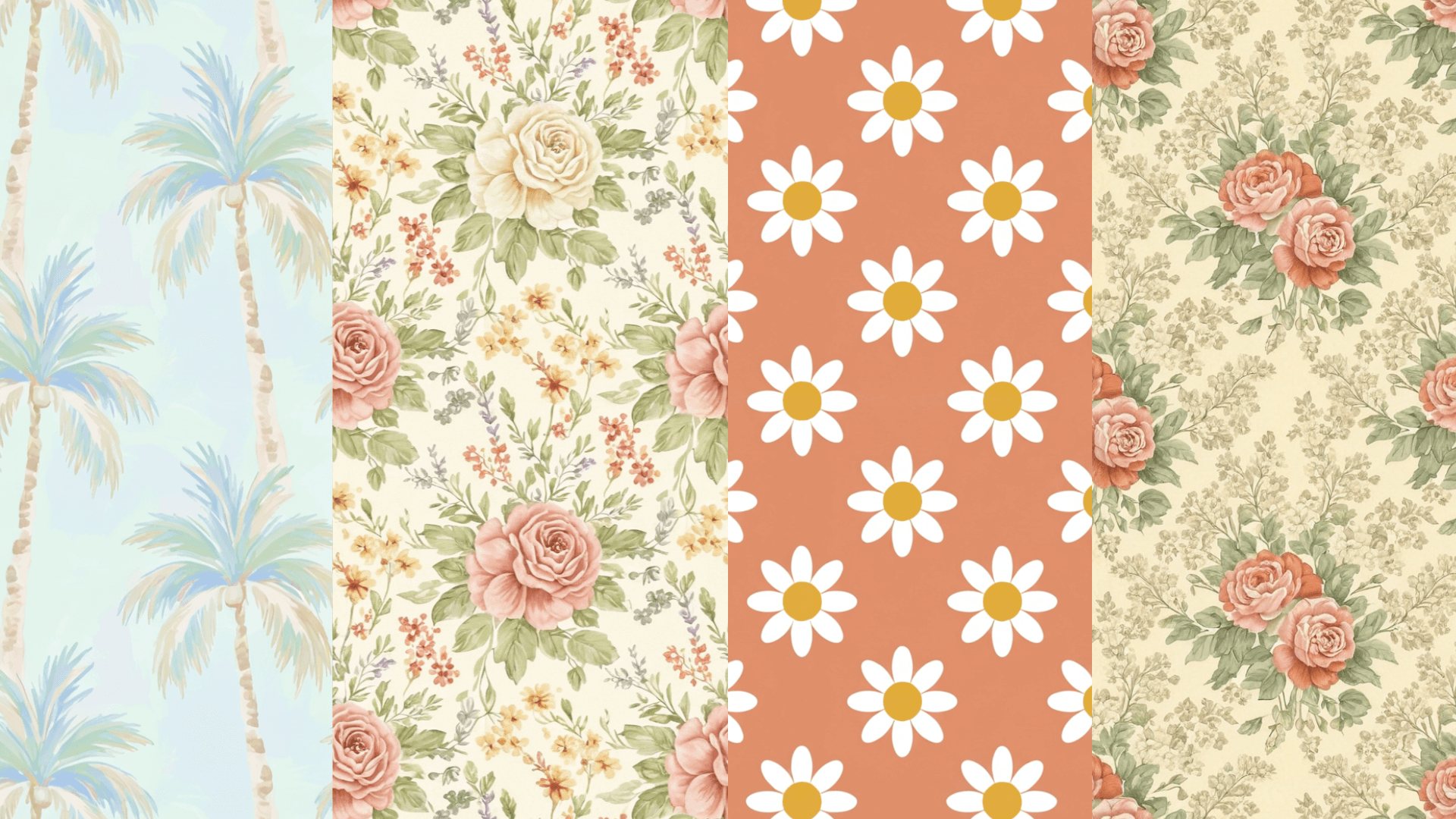
The half-drop repeat uses a similar idea, but the offset happens vertically.
Each column is shifted down by half the height of the tile. This creates a more flowing arrangement and can help prevent motifs from forming obvious horizontal or vertical lines.
It's especially useful when you want a pattern to feel less rigid while still maintaining a clear structure.
Diamond Repeat
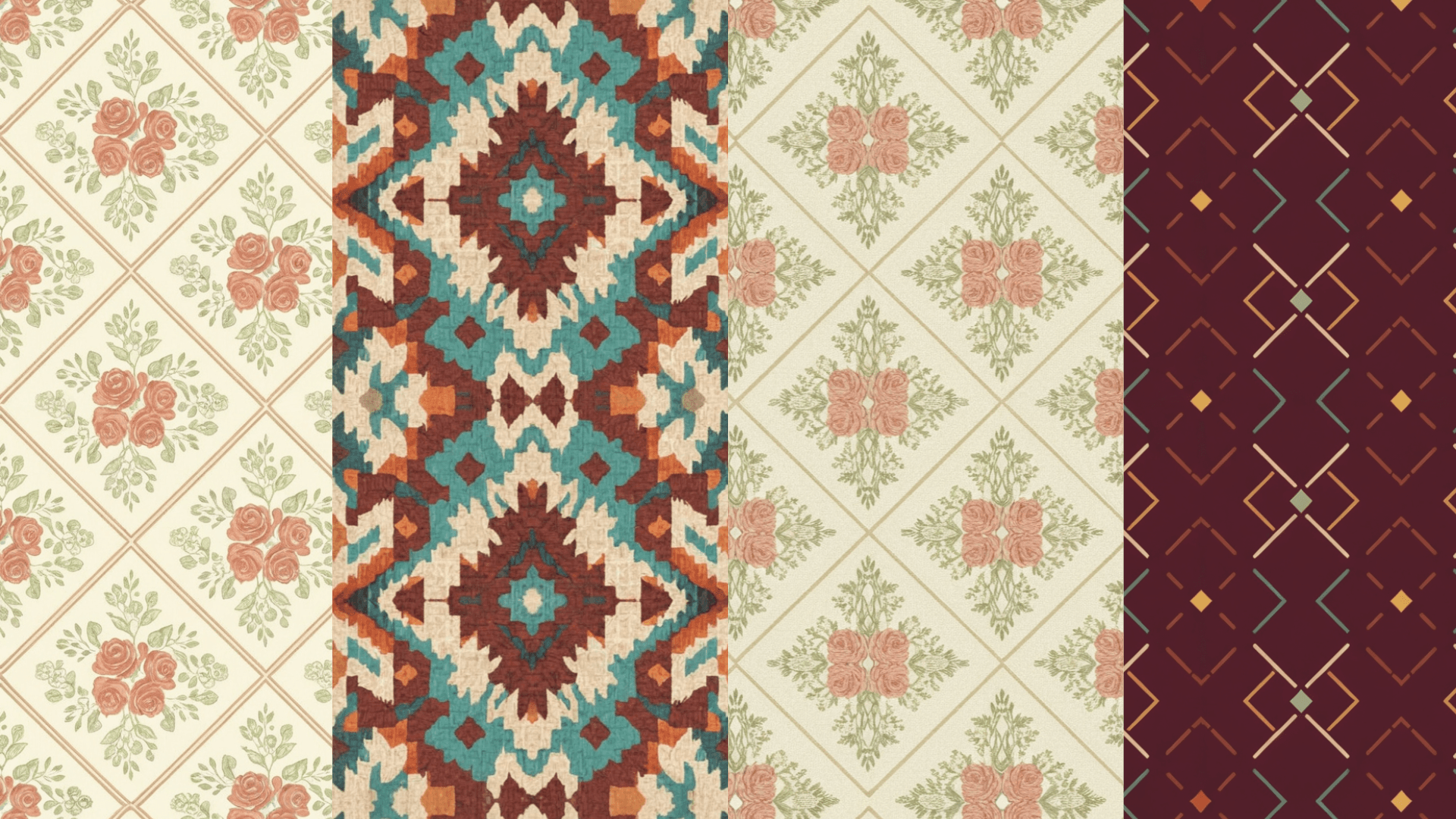
Next is the diamond repeat.
Here, the motifs are arranged within a repeating diamond-shaped structure. The result is a strong geometric rhythm that can feel both decorative and organized.
It's particularly effective for patterns with motifs that work well in a directional or symmetrical arrangement.
Ogee Repeat
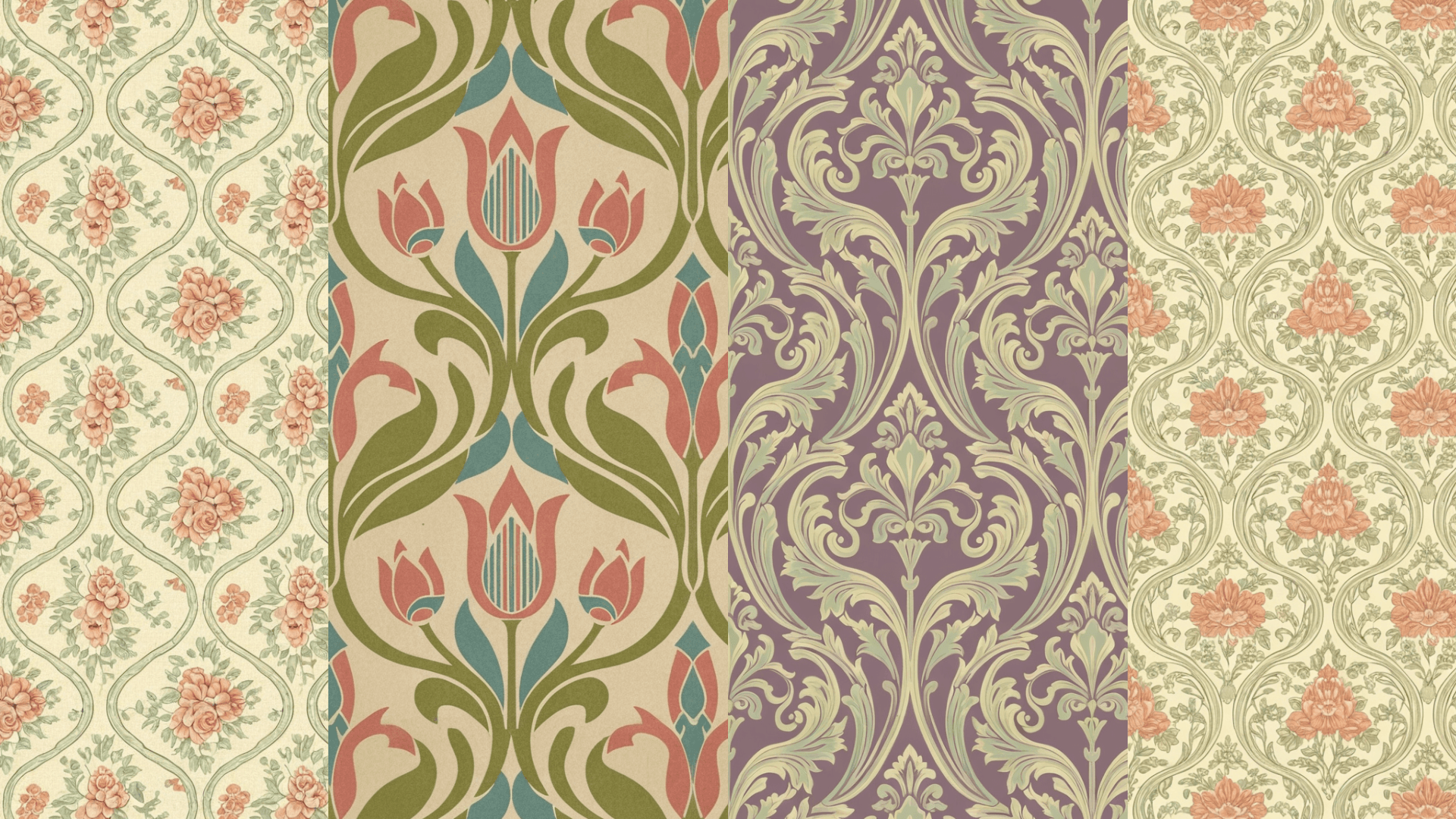
The ogee repeat gets its name from its characteristic interlocking curved shapes. Instead of relying on straight lines or simple offsets, the motifs follow these flowing, curved structures.
This creates an elegant decorative rhythm that's often associated with traditional textiles, wallpaper, and ornamental designs.
Scallop Repeat
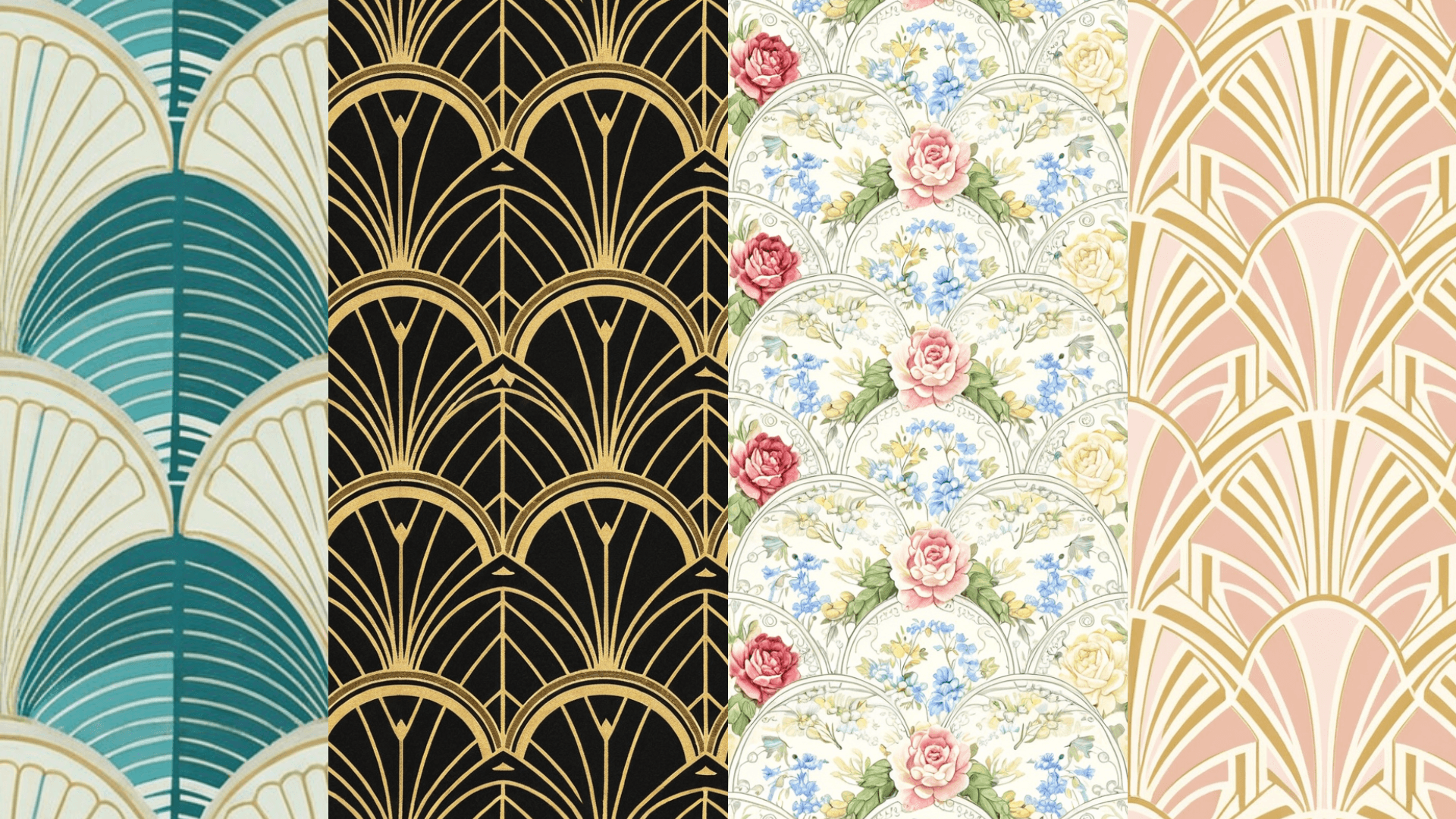
This arrangement uses overlapping curved or fan-like rows to create a scalloped effect.
The repeated curves give the design a softer, more decorative feel. It's a useful structure for patterns when you want the overall composition to feel rhythmic without being too rigid.
Stripe Repeat
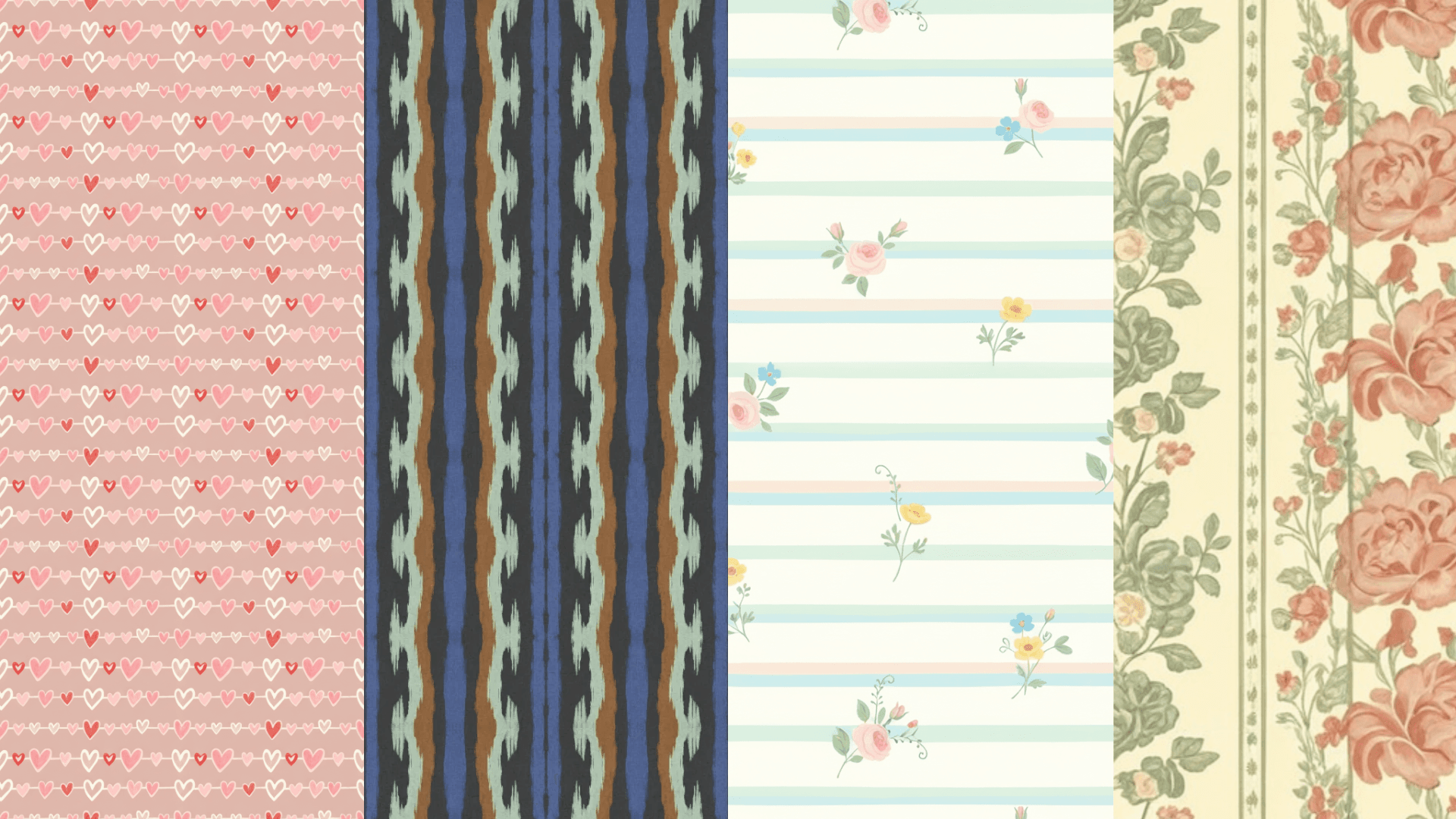
A stripe repeat organizes the design into clear bands.
These can run vertically, horizontally, or in another consistent direction. The motifs are arranged along these bands to create a strong directional flow.
Stripe repeats can be especially useful when the direction of the pattern matters to the final product.
Tossed/Random Repeat
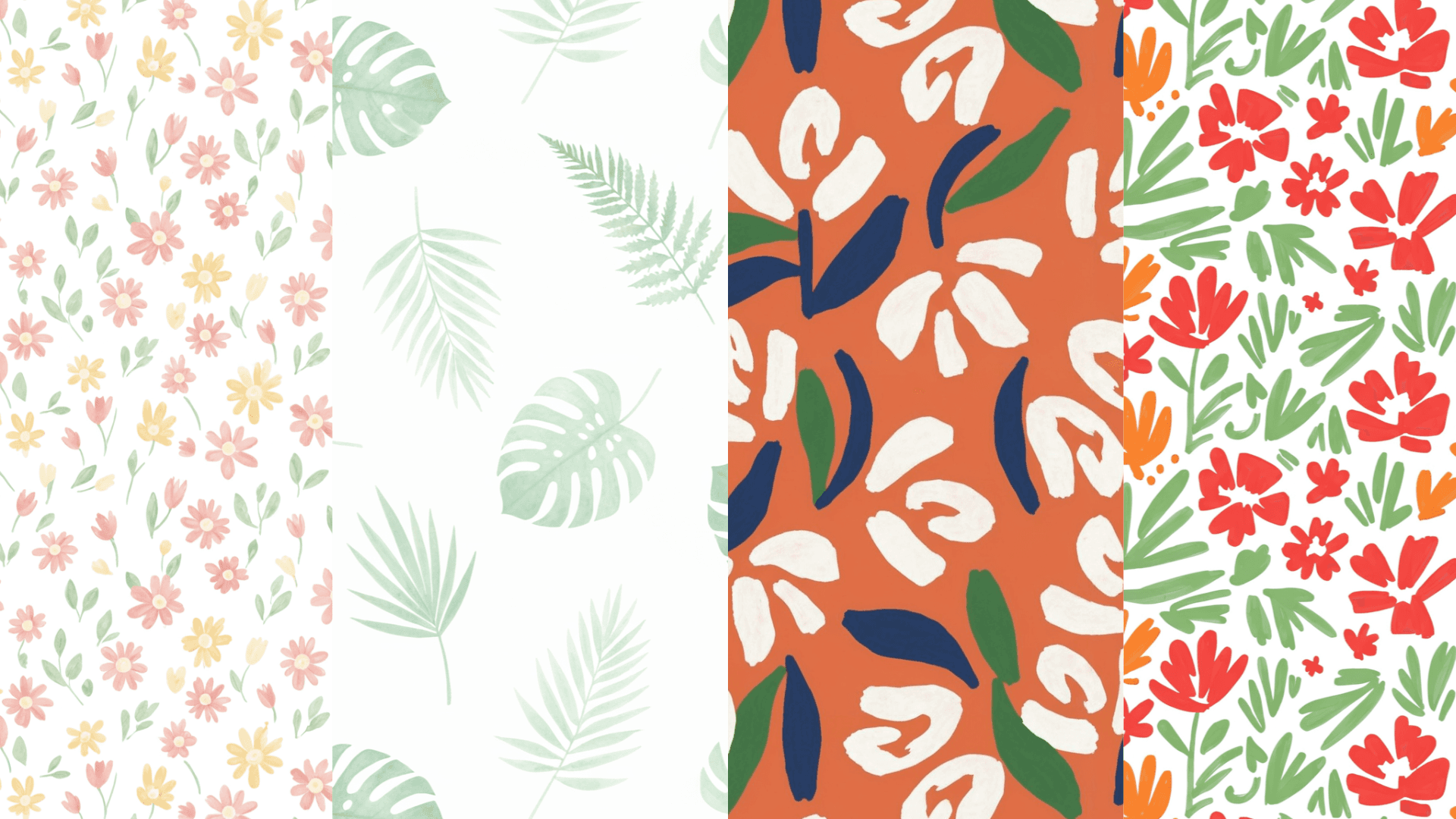
And finally, we have the tossed, or random repeat.
Instead of following a strict geometric structure, the motifs are scattered across the design in varied positions and directions. This creates a much more organic and spontaneous composition.
It's commonly used when you want the pattern to feel relaxed, playful, or less obviously structured.
Conclusion
So, which one should you choose?
There's really no single answer. The right repeat depends on the artwork, the product, and the visual effect you're trying to create.
If you want something structured, a block or geometric repeat might work well. If you want more movement, a half-brick or half-drop can introduce some variation. And if you want something more organic, a tossed repeat can make the design feel much less rigid.
But don't be afraid to experiment. Try your artwork with different repeat structures and see how each one changes the overall look. You can also prompt these repeat styles directly in PatternedAI's From Text tool.
For example, try typing in the prompt box "white flowers on black background, tossed repeat". Then change "tossed repeat" in the end to "half-drop repeat" and see how it changes.
Sometimes, changing the repeat is all it takes to completely transform a pattern.